Shifting your hospitality food strategy to match earlier diners and blurrier dayparts? If not, you run the risk of lagging behind in terms of profitable menu planning. Because what used to be your warm up sitting is now prime time.
According to CGA by NIQ’s June 2025 GO Technology Report, the average UK dinner reservation now lands at 6.12pm, with nearly half of all bookings made before 6pm. Gen Z and millennials are driving the trend. And at the other end of the scale, Gen X isn’t far behind.
As for what’s motivating these early dining trends UK 2025? Key factors include:
- Speedier service ahead of the traditional 7.30pm rush
- Readier booking availability
- Avoiding late night transport home
The question is, are your menus, service flows and pricing strategies still stuck in 2019?
Perhaps it’s time to check in with your hospitality food strategy?
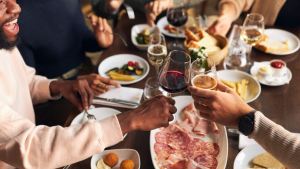
Understand the Impact of Earlier Dining
Before exploring the methodology, it’s vital to understand what this trend means for your operations.
So, here’s the headlines:
- Only 2% of bookings now happen after 9pm
- Today’s consumers are favouring ease, experience, and emotional connection
- Traditional dayparts are merging, offering new revenue windows – but only if your hospitality food strategy is up to the job
- Operational agility is non-negotiable to bend and flex with evolving consumer behaviours and preferences
This all calls for profitable practical, profitable menu planning, leaving you with an efficient dining proposition that’s packed with appeal.

Build a Hospitality Food Strategy That Performs All Day, Every Day
At 360 Food Partners, we offer restaurant menu design services to help you flex with the daypart, without burdening the kitchen.
After all, the intersection where consumer preferences and ops collide needs to be harmonious, or it just doesn’t work, no matter how well-intentioned. (Yes, we’ve all seen head office initiatives generically imposed on sites, with little thought for the kitchen, prep, storage, headcount, and skills.)
For all these reasons, your menu needs to:
- Feature dishes that time travel across lunch to snack to dinner
- Cleverly repurpose core ingredients to limit waste
- Include low lift indulgences for the profitable afternoon snack window
- Combine big flavour favourites with modern, trend led dishes
- Avoid overengineering your kitchen, because simplicity sells (and your kitchen might not logistically be able to cope with anything too fancy)
And don’t forget to factor consumer sentiment into your menu planning.

Sell More Than a Meal
Today’s consumers want connection besides consumption. This is why the hospitality sector is leaning into experience over transaction more than ever.
Your menu should support this ethos, and there are some brilliant ways to incorporate it into your hospitality food strategy. For example:
- Pre-dinner treats for the early crowd, from bread, biscuits and dips to olives, pickled veggies, and artisanal nuts to plug the gap ahead of the main event
- Shareable dishes for group occasions
- Customisation-led formats like build your own burgers or pick and mix small plates
- Experiences that drive loyalty, e.g. chef’s tables and new menu tastings for regular customers and to engage key local corporate clientele
Yet it can be overwhelming at best or mission impossible at worst to shake up your hospitality food strategy when you’re time and skills strapped.
This is where outsourced food development support comes into it’s own.
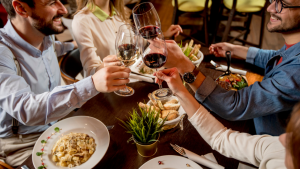
Enlist Menu Development Support to Save Time and Make Money
Expert help, minus the overheads.
At 360 Food Partners, we provide full service and modular outsourced food development support that’s smarter, faster, and far more cost-effective than DIY.
For this to exceed expectations, we work alongside your team, not instead of them, from menu planning and market analysis to procurement and food safety compliance.
Need to reshape your hospitality food strategy around changing dining habits?
Get in touch and let’s have a no pressure chat about making your next move, profitably, compliantly, and without the internal headache.