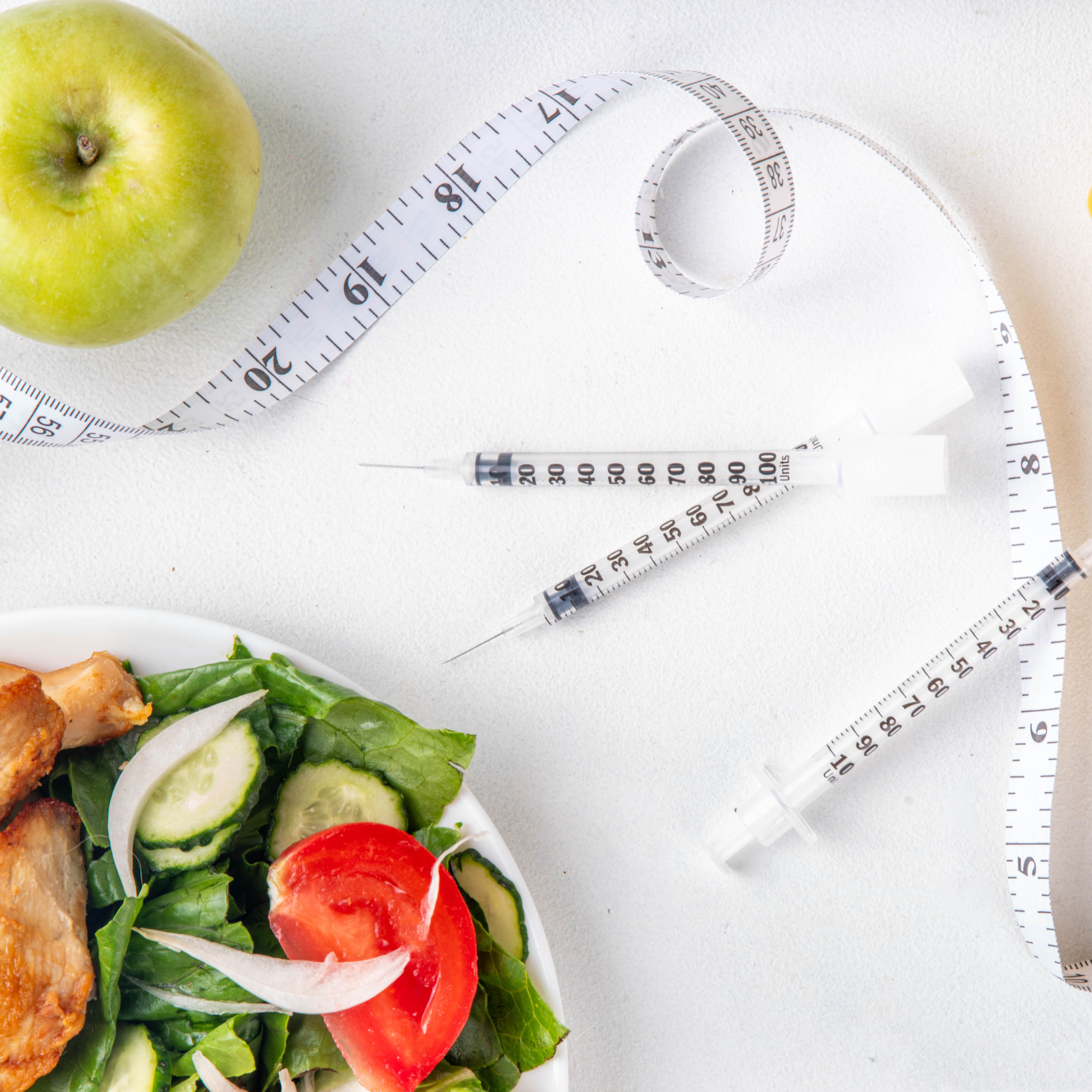
You wouldn’t automatically put weight loss drugs and the hospitality industry together in the same sentence. But the times they are-a-changing. And not just because of the TikTok-inspired hospitality food trends in 2025.
In addition, an emerging disruptor is changing dining habits in UK hospitality and impacting how consumers eat, drink, and spend when they go out.
As a result, it’s high time to take a deeper dive into weight loss drugs in the hospitality industry. So, prepare to factor Ozempic, Wegovy, and Mounjaro into your food development strategy.
The Rise of the “Less, But Better” Diner
“7% of UK adults are currently using GLP-1 drugs for weight loss”, according to Katie Jenkins, Marketing Director at KAM Insights, in her recent article How GLP-1 Drugs Are Reshaping UK Hospitality. “That’s double the proportion reported just a year ago. For context, a similar percentage of UK adults identify as ‘vegetarians’.”
You only need think about everyday conversations with friends, family, and colleagues. GLP-1 drugs are a seriously hot topic. And they’re causing a significant behavioural shift that’s accessible and affordable beyond the rich and famous.
As for the impact of weight loss drugs on the hospitality industry, diners are:
- Setting a smaller portion restaurant trend
- Drinking less alcohol
- Going out less frequently, often saving their nights out for special occasions.
So, where do you go in terms of menu adaption for weight loss drugs?

What Weight Loss Drugs in the Hospitality Industry Means for Operators
To be clear, the Ozempic effect on UK dining calls for you to work around appetite suppression. This means getting familiar with a new kind of customer who’s mindful, selective, willing to pay for quality over quantity, and dictating the following factors:
- Smaller portions restaurant trend, and flexibility replacing rigid set menus.
- A move towards protein-led, nutritionally transparent dishes.
- Declining sales in desserts and alcoholic beverages.
- A sharper focus on experience-led dining to justify the spend.
Even world-renowned chefs are pivoting. Heston Blumenthal recently told Restaurant Online’s Stefan Chomka in his article The Thin Duck? Rise in Ozempic use prompts Heston Blumenthal to rethink portion sizes, “We are going to look at reducing portion sizes and give options of a much smaller menu because with these weight loss drugs, people are eating less and the quantities of food will put them off. I want to do something about that.”
It’s a smart, future-proof move in response to real-time changing dining habits in UK hospitality.
All the same, there’s the question of GLP-1 drugs impact on restaurants’ bottom lines, due to consumer concern for their waistlines.

Profitability Under Pressure
Diners are eating less and drinking less. This presents an obvious challenge to average spend per head, dwell time, and ultimately profit margins, particularly for premium operators.
Accordingly, it’s vital to anticipate and adapt, rather than treating this as a passing fad, which means:
- Menu adaption to weight loss drugs around margin-rich, compact dishes.
- Tapping into procurement power to ensure profitability isn’t swallowed by smaller portion economics.
- Ensuring compliance, allergens, and nutritional transparency are watertight.
The impact of weight loss drugs on the hospitality industry will only grow over the coming year. The question is whether you choose to resist it or rethink it.

Smaller Portions, Bigger Thinking
At 360 Menu Partners, we help hospitality businesses stay profitable, compliant, and in tune with evolving consumer appetites.
We:
- Develop data-driven high performing menus, even when consumer appetites shrink.
- Buy smart, sourcing high quality products at competitive prices.
- Execute with precision, safeguarding compliance and brand reputation.
Because “good enough” isn’t good enough.
How ready is your food development strategy for the influence of weight loss drugs in the hospitality industry?
Get in touch to find out.